




Can Tabby Spunlace Nonwoven Fabric be used in the shoe industry?
 Sep 15, 2026|
As a supplier of Tabby Spunlace Nonwoven Fabric, I've often been asked if this material can be used in the shoe industry. Well, let me tell you, the answer is a resounding yes! In this blog post, I'll share some insights on how Tabby Spunlace Nonwoven Fabric can be a game - changer in the shoe - making world.
Why Consider Tabby Spunlace Nonwoven Fabric for Shoes
First off, let's talk about the unique properties of Tabby Spunlace Nonwoven Fabric that make it a great fit for the shoe industry. This fabric is made through a spunlace process, which involves high - pressure water jets entangling fibers together. This results in a fabric that's strong, durable, and has a soft feel to it.
In the shoe industry, durability is key. Shoes go through a lot of wear and tear on a daily basis, whether it's from walking, running, or other activities. Tabby Spunlace Nonwoven Fabric can withstand this abuse well. The intertwined fibers create a structure that resists tearing and fraying. For example, when used as a lining material in shoes, it won't easily come apart, ensuring that the shoes have a longer lifespan.
Another important aspect is comfort. The softness of Tabby Spunlace Nonwoven Fabric is a huge plus. When your feet are in constant contact with the inside of the shoe, a soft lining can make a world of difference. It reduces friction and irritation, providing a more comfortable wearing experience. This is especially important for people who are on their feet for long periods, like athletes or workers in certain industries.
Applications in the Shoe Industry
Inner Linings
One of the most common applications of Tabby Spunlace Nonwoven Fabric in the shoe industry is as inner linings. It can be used in all types of shoes, from casual sneakers to formal dress shoes. For sneakers, the fabric's softness and breathability are major advantages. It allows air to circulate inside the shoe, keeping feet dry and comfortable. In dress shoes, it adds a touch of luxury without sacrificing durability. The fabric can be easily customized in terms of color and thickness to match the design requirements of different shoe styles.
Insoles
Tabby Spunlace Nonwoven Fabric can also be used to make insoles. Insoles play a crucial role in providing support and comfort to the feet. The fabric's ability to absorb shock makes it a great choice for this application. When combined with other cushioning materials, it can create an insole that reduces the impact of each step, making walking or running more comfortable. Additionally, its moisture - wicking properties help keep the feet dry and prevent the growth of bacteria and odor.
Shoe Covers and Protective Layers
In some cases, Tabby Spunlace Nonwoven Fabric can be used as shoe covers or protective layers. For example, in industrial settings where shoes need to be protected from dirt, chemicals, or other hazards, the fabric can act as a barrier. Its strength and resistance to punctures make it suitable for this kind of task. It can also be used in sports shoes to provide an extra layer of protection against abrasion during activities like hiking or cycling.

Comparing with Other Materials
Let's compare Tabby Spunlace Nonwoven Fabric with some other materials commonly used in the shoe industry, like leather and traditional woven fabrics.
Leather is a classic material for shoes, but it has its drawbacks. It can be expensive, and it requires a lot of maintenance to keep it looking good. Tabby Spunlace Nonwoven Fabric, on the other hand, is more cost - effective. It doesn't need the same level of care as leather, making it a practical choice for many shoe manufacturers. Also, leather may not be as breathable as our nonwoven fabric, which can lead to sweaty and uncomfortable feet.
Traditional woven fabrics may have issues with shrinking and fraying over time. In contrast, Tabby Spunlace Nonwoven Fabric's structure is more stable, and it doesn't have these problems. It maintains its shape and integrity even after multiple uses and washings.
Our Product Range and Features
As a supplier, we offer a wide range of Tabby Spunlace Nonwoven Fabric products. We have different thicknesses and densities to meet the diverse needs of the shoe industry. Whether you need a thin, lightweight fabric for a delicate shoe design or a thicker, more robust fabric for heavy - duty shoes, we've got you covered.
Our fabric is also available in various colors, so you can match it with your shoe's color scheme. We use high - quality dyes that are colorfast, ensuring that the fabric doesn't fade over time.
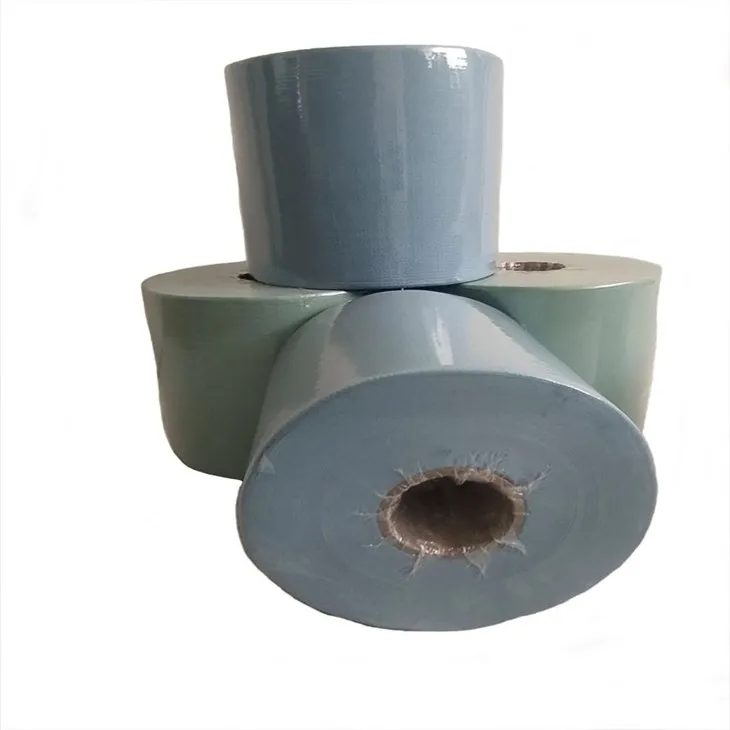
We also offer some special variations of the fabric. For example, we have Creped Nonwoven Fabric Cleaning Towel, which has a unique creped texture. This texture can provide additional grip when used in certain shoe applications, like the insoles of work boots.
Our The Perforated Jumbo Roll Heavy Duty Non - woven is another great option. The perforations increase the fabric's breathability, making it ideal for shoes in hot and humid environments.
And of course, our Wood Pulp Polyester Spunlace Nonwoven Fabric Jumbo Roll combines the best properties of wood pulp and polyester. It's strong, absorbent, and has a soft touch, making it perfect for multiple shoe - industry applications.
Contact Us for Purchase
If you're in the shoe industry and looking for a reliable, high - quality material, Tabby Spunlace Nonwoven Fabric is the way to go. Whether you're a large - scale shoe manufacturer or a small - batch custom shoemaker, we can work with you to meet your specific needs.
We're more than happy to discuss your requirements, provide samples, and offer competitive pricing. So, don't hesitate to reach out to us for a purchase negotiation. Get in touch today and let's take your shoe designs to the next level!
References
- "Nonwoven Fabrics: Principles, Materials and Applications" by Xungai Wang.
- "The Science of Textiles in Footwear" research paper from the International Footwear Research Association.