




How does woodpulp and polyester non - woven hold up against pet scratching?
 Oct 16, 2025|
 As a supplier of woodpulp and polyester non-woven products, I've witnessed firsthand the diverse applications and demands for these materials. One question that often arises, especially among pet owners and those in environments with pets, is how well woodpulp and polyester non-woven hold up against pet scratching. In this blog, we'll explore the characteristics of these non-woven materials, conduct a detailed analysis of their resistance to pet scratching, and discuss their practical applications in pet-related scenarios.
Understanding Woodpulp and Polyester Non-Woven
Woodpulp and polyester non-woven materials are created through a process that combines wood pulp fibers with polyester fibers. This combination results in a fabric that has unique properties, such as high absorbency, softness, and strength. Wood pulp contributes to the material's absorbency and biodegradability, while polyester adds durability and tear resistance.
The manufacturing process of woodpulp and polyester non-woven involves several steps. First, the wood pulp and polyester fibers are mixed together in a specific ratio. Then, the mixture is formed into a web, which is further bonded through various methods, such as thermal bonding, chemical bonding, or mechanical bonding. The resulting non-woven fabric can be customized in terms of thickness, density, and surface finish to meet different application requirements.
Resistance to Pet Scratching
Pets, especially cats and dogs, have a natural instinct to scratch. This behavior can be a problem when it comes to furniture, carpets, and other household items. So, how does woodpulp and polyester non-woven fare against pet scratching?
Physical Structure and Scratch Resistance
The physical structure of woodpulp and polyester non-woven plays a crucial role in its scratch resistance. The intertwined wood pulp and polyester fibers create a strong and stable structure that can withstand a certain amount of force. Polyester fibers, in particular, are known for their high tensile strength, which helps the non-woven fabric resist tearing and fraying when scratched by pets.
However, the scratch resistance of woodpulp and polyester non-woven also depends on its thickness and density. Thicker and denser non-woven fabrics generally have better scratch resistance than thinner and less dense ones. This is because a thicker fabric has more fibers to absorb and distribute the force of the scratch, reducing the likelihood of damage.
Surface Finish and Scratch Visibility
The surface finish of woodpulp and polyester non-woven can also affect its performance against pet scratching. A smooth surface finish may be more prone to showing scratches, as the scratches are more visible on a flat and uniform surface. On the other hand, a textured surface finish can help to disguise scratches, making them less noticeable.
In addition, some woodpulp and polyester non-woven products are treated with special coatings or finishes to enhance their scratch resistance. These treatments can create a protective layer on the surface of the fabric, reducing the risk of damage from pet scratching.
Practical Applications in Pet-Related Scenarios
Despite the potential for pet scratching, woodpulp and polyester non-woven has several practical applications in pet-related scenarios.
Pet Bedding
Woodpulp and polyester non-woven can be used to make pet bedding. Its softness and absorbency make it comfortable for pets to lie on, while its scratch resistance ensures that the bedding can withstand the wear and tear of pet activity. For example, Tabby Spunlace Nonwoven Fabric is a popular choice for pet bedding due to its high-quality construction and excellent scratch resistance.
Pet Toys
Non-woven materials are also commonly used in the manufacturing of pet toys. Woodpulp and polyester non-woven can be shaped into various forms, such as balls, chew toys, and plush toys. Its durability and scratch resistance make it suitable for pets to play with, even if they have a tendency to scratch or chew on the toys.
Cleaning Wipes for Pets
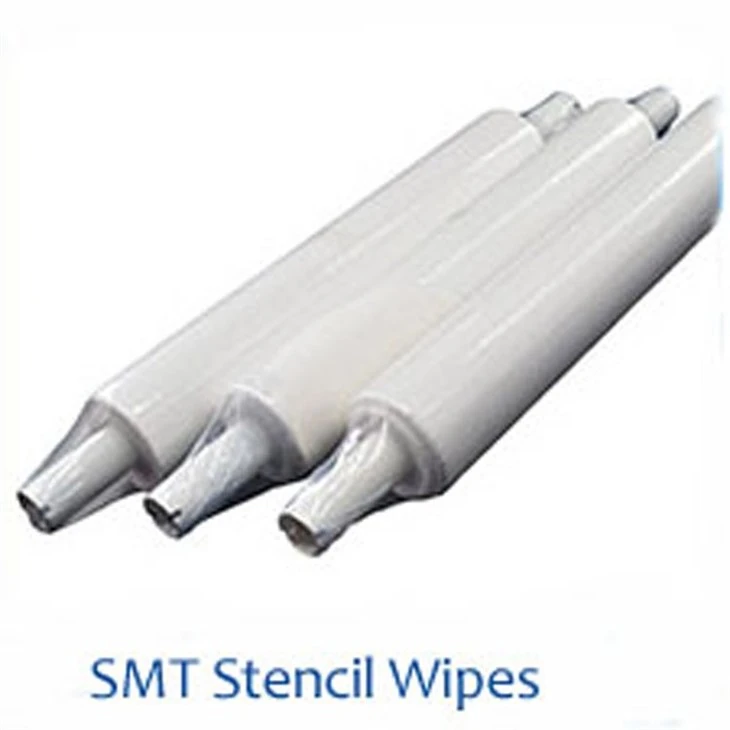
Woodpulp and polyester non-woven is an ideal material for cleaning wipes for pets. Its absorbency allows it to effectively clean up pet messes, while its softness ensures that it won't irritate the pet's skin. Industrial Workshop Cleaning Wipers can be repurposed for pet cleaning, providing a convenient and hygienic solution for pet owners.

Comparison with Other Materials
To better understand the performance of woodpulp and polyester non-woven against pet scratching, it's useful to compare it with other common materials used in pet-related products.
Cotton
Cotton is a natural fiber that is soft and comfortable, but it may not be as durable as woodpulp and polyester non-woven when it comes to pet scratching. Cotton fabrics are more prone to tearing and fraying, especially when scratched by sharp pet claws. In contrast, woodpulp and polyester non-woven has better tear resistance and can withstand more abuse from pets.
Synthetic Fabrics
Some synthetic fabrics, such as nylon and polyester, are known for their durability and scratch resistance. However, they may not have the same level of absorbency as woodpulp and polyester non-woven. Woodpulp and polyester non-woven combines the best of both worlds, offering good scratch resistance as well as high absorbency.
Conclusion
In conclusion, woodpulp and polyester non-woven is a versatile and practical material that can hold up well against pet scratching. Its unique combination of wood pulp and polyester fibers provides a balance of absorbency, softness, and durability. While it may not be completely immune to pet scratching, proper selection of thickness, density, and surface finish can significantly enhance its scratch resistance.
Whether you're a pet owner looking for a suitable material for pet bedding, toys, or cleaning wipes, or a business in the pet industry seeking high-quality non-woven products, woodpulp and polyester non-woven is definitely worth considering. If you're interested in our woodpulp and polyester non-woven products, such as The Perforated Jumbo Roll Heavy Duty Non-woven, please feel free to contact us for more information and to discuss your specific requirements. We're always ready to assist you in finding the best non-woven solutions for your needs.
References
- "Nonwoven Fabrics: Structure, Properties, and Applications" by Rajiv Padhye
- "Textile Science: Fundamentals and Applications" by B. K. Behera