




What is the absorbency rate of typical cleaning wipers?
 Sep 22, 2026|
 Hey there! If you're in the cleaning business or just someone who loves to keep things spick - and - span, you've probably used cleaning wipers at some point. I'm a supplier of cleaning wipers, and in this blog, I'll chat about what the absorbency rate of typical cleaning wipers is.
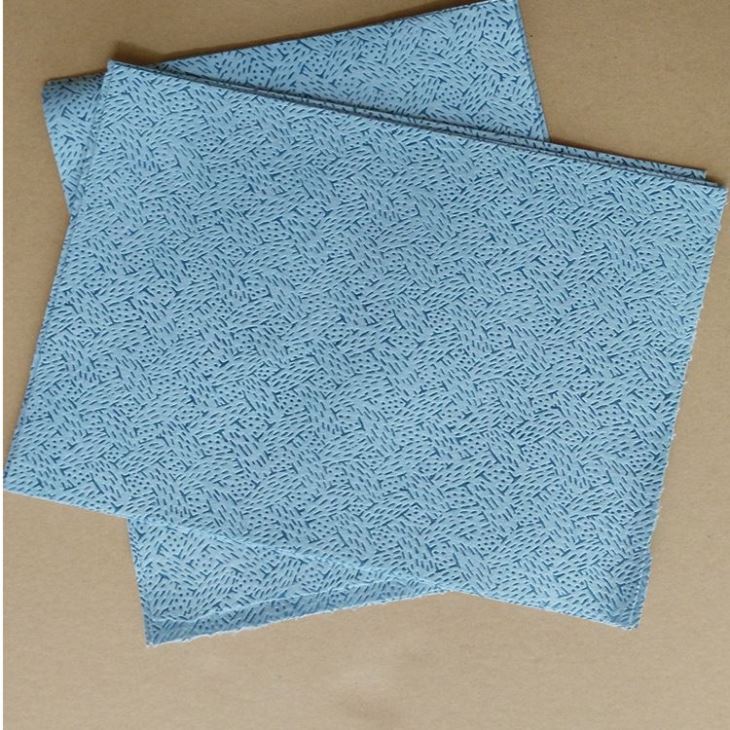

Let me start by saying that absorbency is a big deal when it comes to cleaning wipers. Nobody wants a wiper that just spreads the mess around or can't hold much liquid. The absorbency rate determines how well a wiper can soak up spills, dirt, and grime. It’s measured in various ways, but the most common is the amount of liquid a wiper can take in relative to its own weight.
Types of Cleaning Wipers and Their Absorbency
Meltblown Polypropylene Cleaning Wipers
One of the popular types of cleaning wipers I supply is the Meltblown Polypropylene Absorb Oil Cleaning Towel. Meltblown polypropylene is a synthetic material known for its fine fibers. These fibers create a large surface area, which is great for absorption.
Typically, meltblown polypropylene cleaning wipers have a high absorbency rate. They can absorb anywhere from 3 - 8 times their own weight in liquid. This makes them awesome for cleaning up oil spills in industrial settings, as well as for general cleaning tasks around the house or office. The fine - fiber structure traps the liquid within the material, preventing it from dripping back out.
The reason for its relatively high absorbency in the oil - related context is that the polypropylene has an affinity for oily substances. The molecular structure allows the oil to adhere to the fibers easily. And when it comes to water - based liquids, it still does a pretty good job, quickly soaking up spills and leaving surfaces dry.
Non - woven Fabric Disposable Cleaning Cloths
Another type I offer is the Non Woven Fabric Disposable Cleaning Cloth. Non - woven fabrics are made by bonding or interlocking fibers together. They come in a variety of materials, such as polyester, polypropylene, or a blend of both.
The absorbency of non - woven fabric disposable cleaning cloths can vary depending on the blend of materials and the manufacturing process. On average, these wipers can absorb around 2 - 6 times their own weight in liquid. They're very versatile and can be used for wet or dry cleaning. For example, you can use them to clean windows, wipe countertops, or even dust furniture.
The advantage of non - woven fabrics in terms of absorbency is that they can be engineered to have different pore sizes. Larger pores can allow for faster initial absorption, while smaller pores can hold the liquid more tightly, reducing the chances of dripping.
Meltblown Polypropylene Cleaning Cloths
The Meltblown Polypropylene Cleaning Cloth is similar to the absorb - oil towel but is often used for more general cleaning purposes. These cleaning cloths have a more consistent absorbency rate due to their uniform fiber structure.
They usually absorb between 4 - 7 times their own weight. The meltblown process ensures that the fibers are evenly distributed, creating a more predictable absorbency. This makes them ideal for tasks where you need a reliable amount of liquid absorption, like mopping up spills on a factory floor or cleaning up after a food preparation area.
Factors Affecting Absorbency Rate
Now, the absorbency rate isn’t set in stone. There are several factors that can affect how well a cleaning wiper soaks up liquid.
Material Composition: As I mentioned earlier, the type of material used in the wiper plays a huge role. Synthetic materials like polypropylene are great for oil absorption, while a blend with natural fibers might be better for water - based cleaning. Different materials have different affinities for different types of liquids.
Thickness and Density: A thicker and denser wiper usually has more room to hold liquid. But there's a balance. If it's too thick, it might be slower to absorb, and if it's too thin, it won't hold much. A well - designed cleaning wiper finds the sweet spot between thickness and density to optimize absorbency.
Surface Area: The greater the surface area of the fibers within the wiper, the more liquid it can come into contact with and absorb. That's why wipers with fine fibers, like meltblown polypropylene ones, tend to have better absorbency.
Manufacturing Process: How the wiper is made also matters. Wipers that are manufactured to have a specific pore structure or fiber arrangement can have enhanced absorbency. For example, some wipers are treated with special chemicals that improve their liquid - holding capacity.
Why Absorbency Matters
You might be wondering, why all this talk about absorbency? Well, it makes a huge difference in the cleaning process.
For one, a higher absorbency rate means you can clean up spills faster. You won't have to keep swapping out wipers as often, which saves time. And time is money, whether you're running a large - scale industrial cleaning operation or just cleaning your own home.
It also means less waste. Since you'll use fewer wipers to get the job done, you'll reduce the amount of disposable cleaning materials going into landfills. And for those concerned about the environment, that's a big plus.
In industrial settings, good absorbency is crucial for safety. Quickly soaking up spills, especially those involving hazardous materials, can prevent accidents and ensure a clean and safe working environment.
How to Choose the Right Cleaning Wiper Based on Absorbency
When it comes to picking the right cleaning wiper for your needs, here are a few tips.
First, consider the type of liquid you'll be cleaning up. If it's oil or grease, a meltblown polypropylene absorb - oil towel is a great option. For water - based spills, non - woven fabric disposable cleaning cloths can work well.
Next, think about the volume of liquid. If you're dealing with a large spill, you'll need a wiper with a high absorbency rate. For smaller, more frequent spills, you might be able to get away with a wiper that has a lower but still adequate absorbency.
Also, take into account the surface you're cleaning. Some wipers might be too abrasive for delicate surfaces, while others are designed to be gentle.
Let's Talk Business
As a cleaning wiper supplier, I'm always here to help you find the right product for your needs. Whether you're a business owner looking for industrial - strength cleaning wipers or a homeowner in search of something for everyday cleaning, I've got you covered.
If you're interested in learning more about our products or want to discuss a potential order, don't hesitate to reach out. We can work together to figure out the best cleaning wipers for your specific situation, taking into account absorbency, cost, and other factors.
References
- Textile Research Journal: Studies on absorbency of non - woven and synthetic materials
- Industrial Cleaning Magazine: Insights on the performance of cleaning wipers
- Journal of Material Science: Research on the structure - absorbency relationship in polypropylene - based materials